Custom projects
Custom Gaming Monitor Manufacturer: What Buyers Should Prepare
Working with a custom gaming monitor manufacturer is easiest when the buyer separates must-have specifications from optional design preferences. A clear project brief helps the supplier recommend the right platform, estimate customization scope, and avoid unnecessary delays.
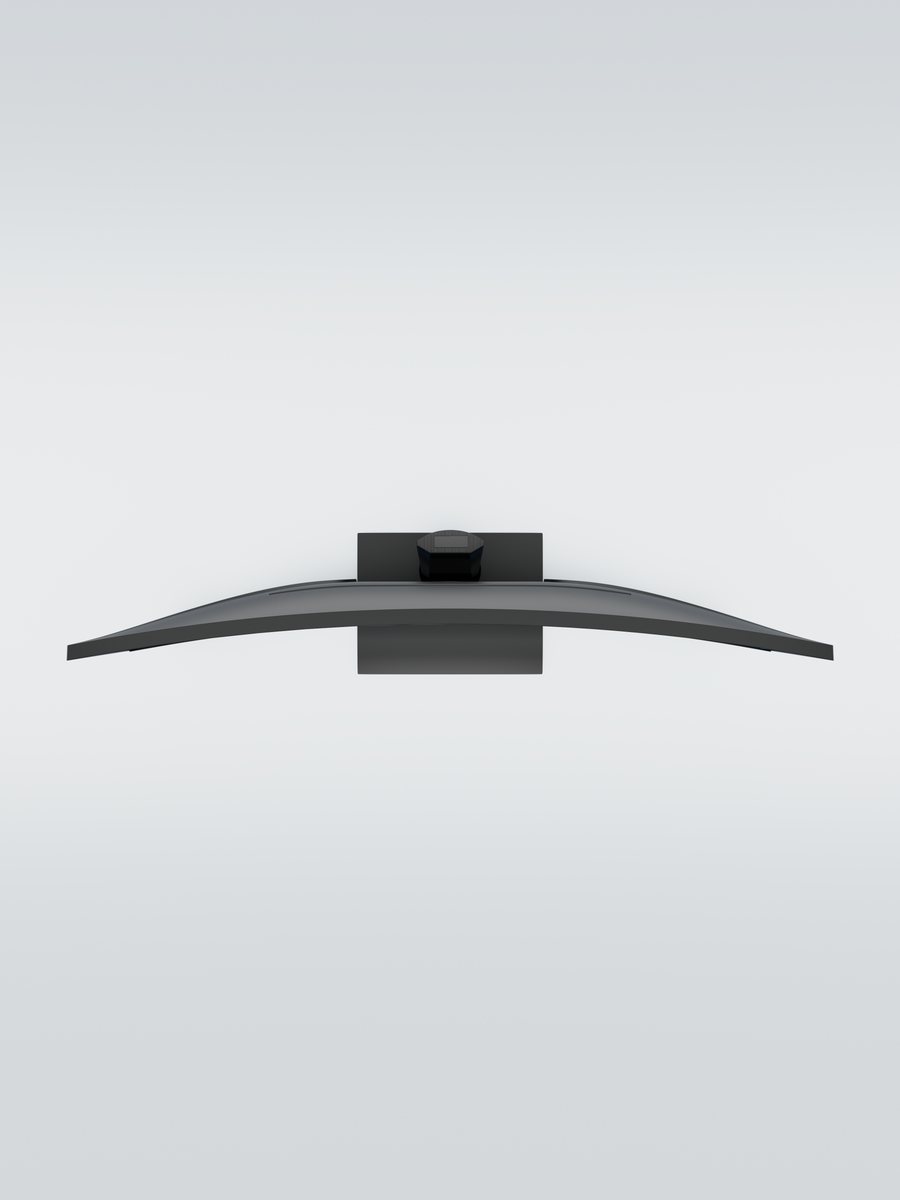
Define the product position
Buyers should define whether the project targets entry gaming, esports, premium ultrawide, console gaming, productivity, or mixed-use display channels. This helps determine size, resolution, refresh rate, panel type, and accessory expectations.
Clarify what is truly custom
Some projects only need logo, carton, label, and manual changes. Others require housing changes, stand options, lighting, firmware settings, interface adjustments, or market-specific configuration. Each level affects timeline and sample planning.
Prepare specification priorities
A strong project brief should include target size, panel type, resolution, refresh rate, brightness, color coverage, interface plan, speaker needs, curve, stand design, packaging style, certification requirements, and expected order quantity.
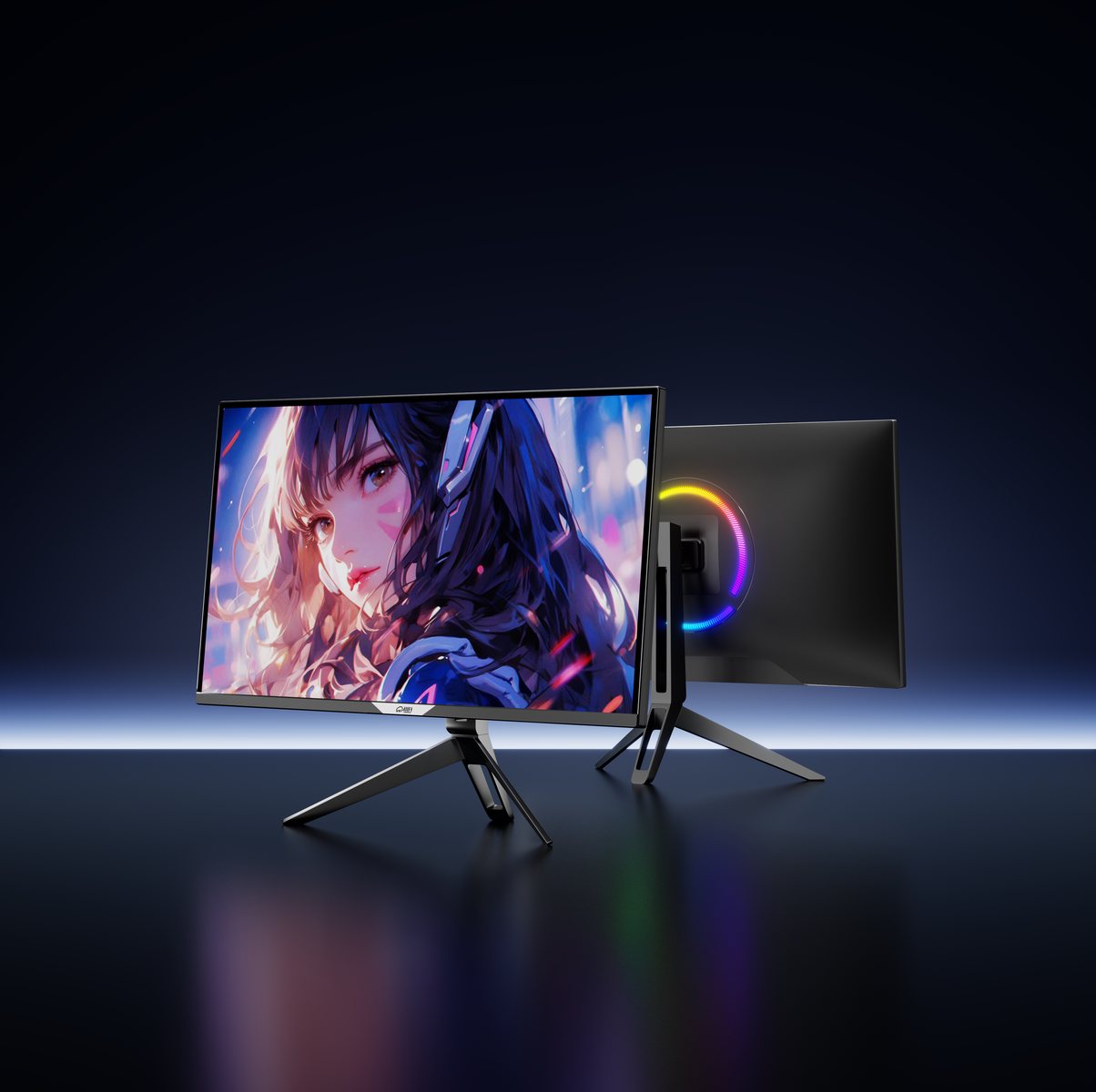
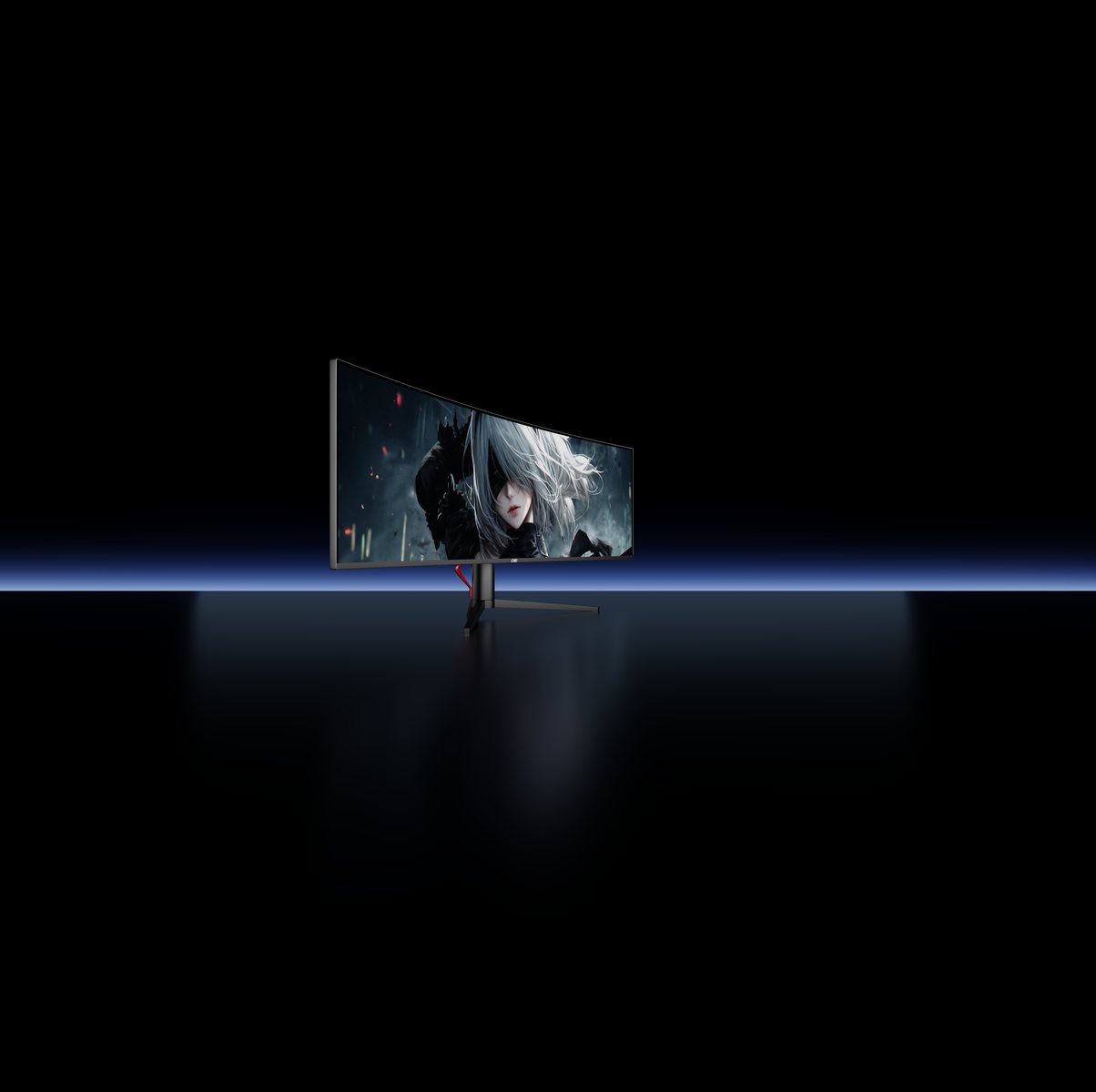
Build samples into the timeline
Samples allow buyers to check visual performance, structure, packaging, menu settings, user experience, and branding execution. Written sample feedback is useful before production starts.
Useful internal links for buyers
Compare monitor platform options, review ODM capability, or send a custom gaming monitor inquiry.
FAQ
What is the difference between custom and private label?
Private label usually focuses on brand presentation. Custom projects may include deeper product configuration, structure, appearance, or firmware planning.
How can buyers reduce project delays?
Provide clear specifications, target quantity, market requirements, certification needs, packaging direction, and sample feedback early.